
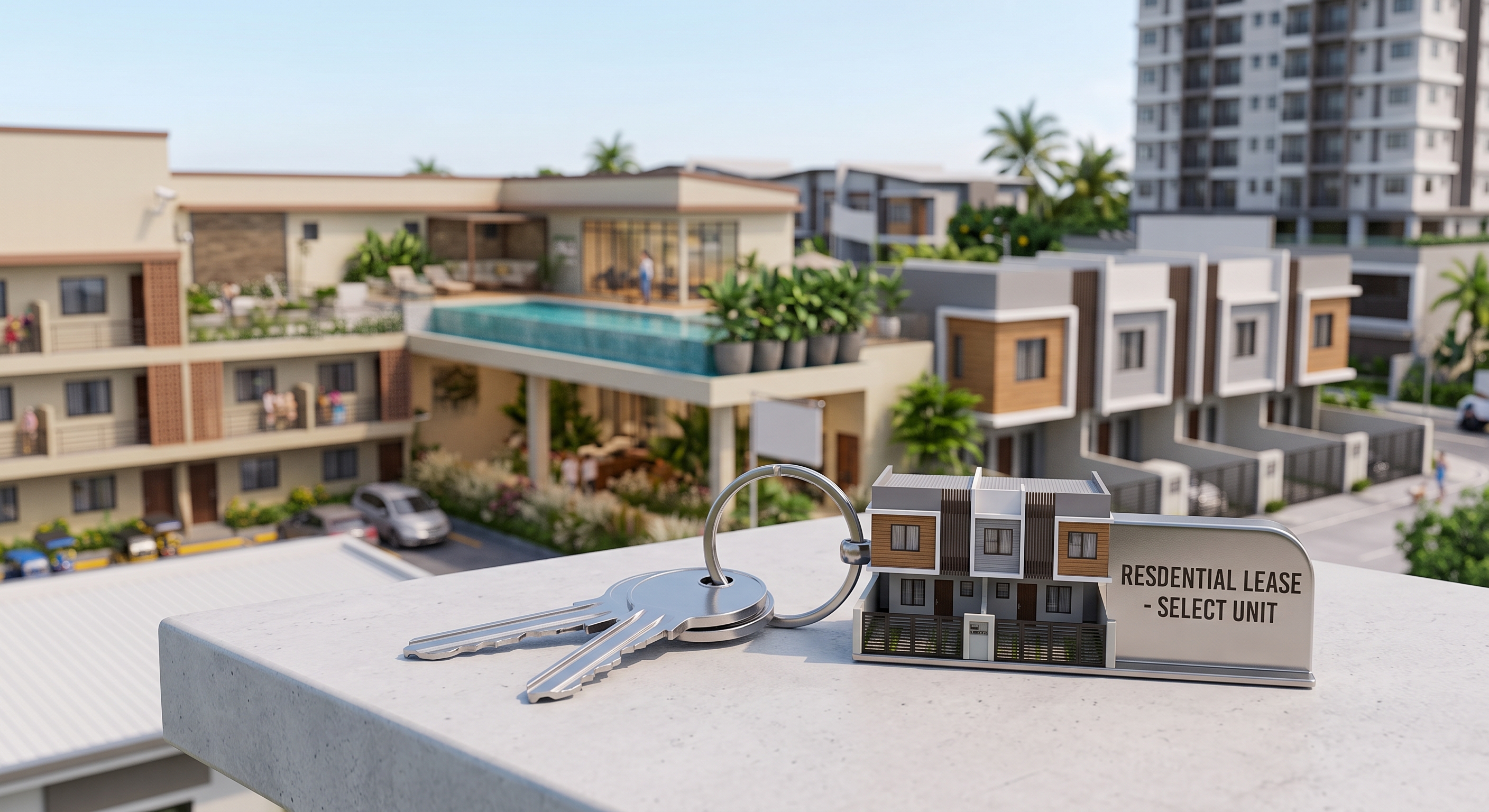
Peoria home prices dropped 6% over the past year, landing at a median sale price of $493,682. Average rent in the city sits at $1,535 a month, according to Redfin. Numbers like that shift fast, and property owners who track them make sharper calls on pricing, upgrades, and timing.
That kind of movement ties back to population growth, employment growth, and new supply hitting the Peoria housing market. More people moving in means more local demand for rentals. More construction activity means more competition for the same tenants. Rent growth looks strong one month, then local market trends pull it back the next.
Add property taxes, shifting interest rates, and the usual back-and-forth between buyers and renters, and it's easy to see why Peoria's market keeps property owners on their toes. Staying ahead of these shifts takes more than a quick glance at listing prices. It means watching the full picture, from median rent to construction pipelines, before deciding what a property is really worth.
This guide breaks down the real forces behind rental property value in Peoria and gives practical guidance for staying ahead of the curve.
Key Takeaways
- Location within Peoria, especially areas like North Peoria and Park West, significantly shapes achievable rent
- Property condition and strategic upgrades directly affect rental value and tenant demand
- Local employment growth and population growth drive steady, long-term rental demand
- Property taxes and Arizona regulations shape net cash flow for owners
Different Factors That Affect Rental Property Value in Peoria, AZ
Several factors shape what a rental property is actually worth. Here are the ones that matter most right now.
Location and Neighborhood Desirability
Location still drives rental income more than almost anything else. North Peoria commands higher rent than older sections of the city, and neighborhoods like Vistancia and Westbrook Village post some of the strongest median rent numbers in the metro. Proximity to schools, parks, and retail corridors like Park West pushes rent levels up. Property owners evaluating pricing should compare their address against these local trends before setting a number.
Local Market Supply and Demand
New supply changes the math fast. Construction activity in the suburban market around Peoria has added housing units steadily, and that new supply competes directly with existing single-family rentals. At the same time, population growth and employment growth in the West Valley keep local demand steady. When supply and demand stay balanced, rent growth tends to hold. When new construction outpaces demand, rent increases slow down.
Property Condition, Upgrades, and Amenities
Property condition affects value more than most owners expect. Updated kitchens, modern air conditioning systems, and fresh flooring raise a unit's rent per square foot. Deferred maintenance does the opposite. It scares off quality tenants and pushes rents down. Community amenities like pools and fitness centers also widen a property's appeal to renters comparing options across nearby cities.
Economic and Employment Factors
Peoria's economy leans on healthcare, retail, and spring training tourism, and steady job growth across the Phoenix metro supports rental demand here. Median household income in the area gives a good read on what tenants can actually afford to pay. Real estate agents and property managers who track employment growth get a clearer picture of where rent levels are headed next.
Local Regulations and Property Taxes
Property taxes eat into cash flow, and operating costs shift when local rates change. Arizona landlord-tenant law also shapes how owners manage leases, deposits, and evictions. Staying informed on regulatory changes protects rental income and helps property owners avoid costly missteps.
Thinking about what your Peoria rental is actually worth in today's market? Ultimate Properties offers a free rental pricing analysis built on current market data, not guesswork.
How Ultimate Properties Helps Peoria Landlords Maximize Rental Value
Evaluating properties takes more than a quick Zillow look. Ultimate Properties pulls historical data and current market trends to help owners set rent levels that match real local demand, not wishful thinking. That approach covers:
- Data-driven pricing — setting rent levels based on actual local demand instead of guesswork, leading to fewer vacancies and stronger cash flow
- Maintenance coordination — keeping single-family homes and long-term rentals in shape without owners handling it themselves
- Tenant screening — placing reliable renters who protect property condition and rental income
- Regulatory tracking — staying ahead of Arizona property tax and landlord-tenant law changes
That hands-on management gives owners more confidence heading into each lease cycle. Peoria's appeal to renters and investors alike keeps this market moving, and Ultimate Properties helps owners turn that broad appeal into steady, predictable rental income.
Quick Answers for Peoria Property Owners
Q: How often should landlords reassess rental pricing in Peoria?
Every 6 to 12 months, or sooner if local market trends shift. Rent levels move with supply, demand, and seasonal patterns.
Q: Is Peoria a good market for long-term rental investment?
Yes. Steady population and employment growth, plus broad appeal to renters, make Peoria a solid pick for successful investing, especially for single-family rentals.
Q: What's the biggest mistake investors make when buying rental property in Peoria?
Skipping local market research. Many investors set purchase price and rent expectations based on national trends instead of Peoria-specific data, which throws off their financial planning and loan amounts.
Turning Market Factors Into Rental Income
Rental property value in Peoria comes down to a few factors working together. Location sets the baseline. Supply and local demand move rent levels up or down. Property conditions and taxes shape what owners actually keep after operating costs.
None of that matters much without good market data. Property owners who track current market trends spot patterns before they show up in average rent numbers.
Peoria still offers strong long-term fundamentals for smart investment, with steady renter demand and ongoing employment growth. But that opportunity only pays off for owners who evaluate properties carefully instead of guessing at rent levels or purchase price.
Successful investing here takes more than good timing. It takes staying informed.
Partner with Ultimate Properties for a full property evaluation and rental management plan built specifically for the Peoria market. Contact us today to see what your property could actually earn.