
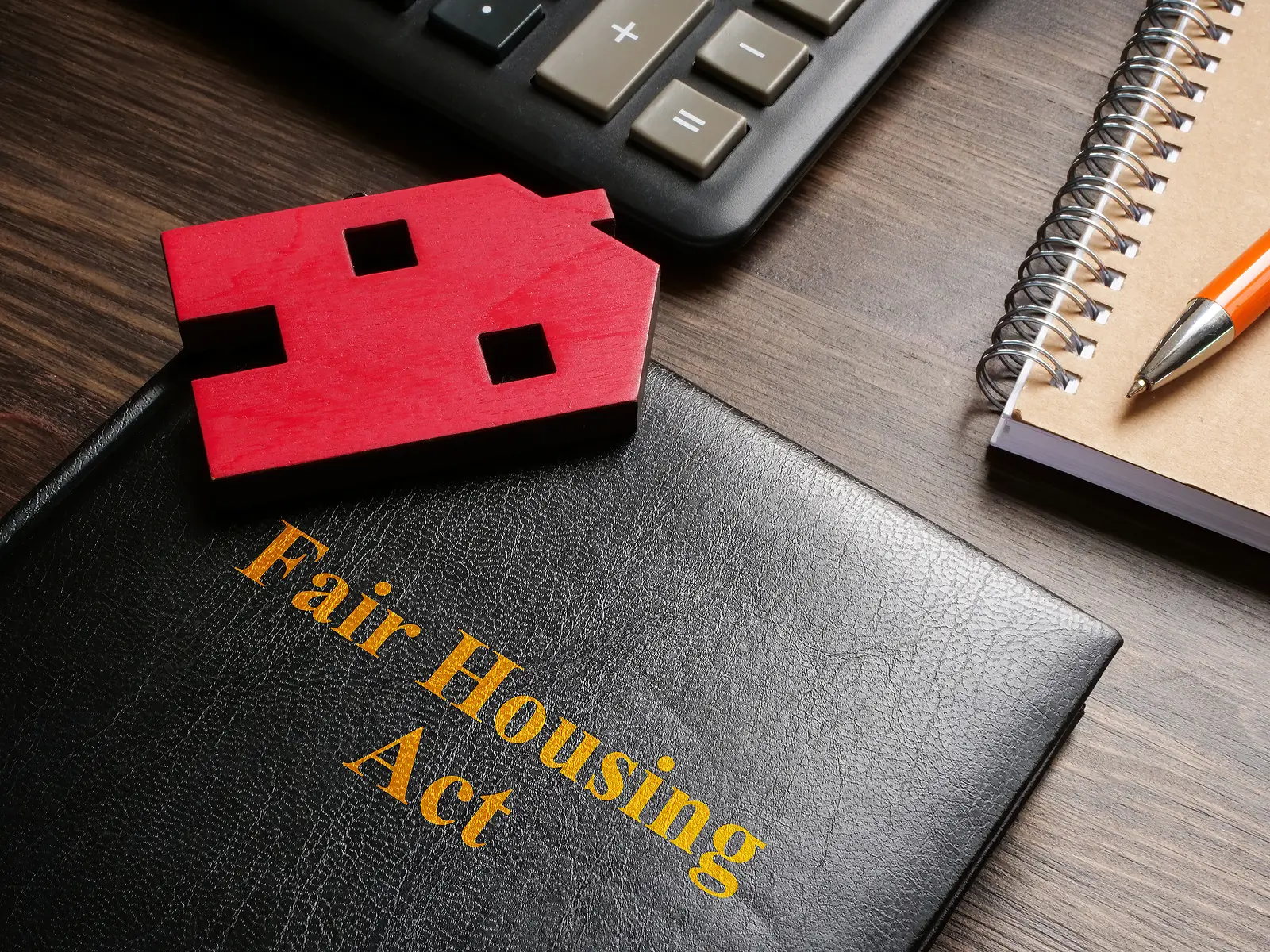
Did you know? Arizona landlords can face severe fines and legal action for housing discrimination, even for unintentional mistakes. Renting property comes with responsibilities that go far beyond collecting rent. For Arizona landlords, understanding housing discrimination laws is crucial. Violating fair housing rules can result in severe legal consequences, substantial fines, and significant reputational damage.
Housing discrimination occurs when landlords, property managers, or housing providers mistreat tenants or prospective tenants based on protected characteristics. In Arizona, protected characteristics include race, color, national origin, religion, sex, familial status, disability, and sexual orientation. Marital status and other attributes are also covered under the federal Fair Housing Act and the Arizona Fair Housing Act.
To avoid legal issues and ensure compliance, read this guide carefully and implement best practices for managing your rental property.
Key Takeaways
- Fair housing compliance is mandatory – Arizona landlords must follow federal and state laws to avoid fines, lawsuits, and reputational damage.
- Treat all tenants equally – Avoid discrimination based on protected characteristics and provide reasonable accommodations when required.
- Document everything – Keep accurate records of lease agreements, rental payments, and tenant communications to protect your property legally.
- Partner with experts – Professional property management teams can ensure compliance, streamline operations, and safeguard both your investment and your tenants’ rights.
What the Fair Housing Act and Arizona Laws Cover
The federal Fair Housing Act and Arizona Fair Housing Act ensure equal housing opportunities for everyone. These civil rights laws prohibit discrimination in all aspects of renting, leasing, and property management. Whether you manage four or fewer units, owner-occupied buildings, or larger rental properties, these laws apply.
Protected classes under these laws include:
- Race, color, national origin
- Religion or religious affiliation
- Sex and sexual orientation
- Familial status, including pregnant women and families with children
- Disability, which may require reasonable accommodations or modifications, such as installing grab bars or allowing service animals
The Arizona Attorney General’s Office and organizations like Community Legal Services provide resources and enforce these rules. Failing to comply with these regulations can result in legal action and penalties.
Actions Landlords Must Avoid
Landlords and property managers must be vigilant in avoiding practices that constitute discrimination. Common violations include:
1. Denying Housing Based on Protected Characteristics
It is strictly prohibited to deny housing to someone because of their race, color, national origin, religion, sex, familial status, disability, marital status, or sexual orientation. This includes refusing lease agreements, rental agreements, or security deposits based on these attributes.
2. Discriminatory Advertising
All property listings and advertisements must comply with fair housing regulations. Advertisements cannot suggest preferences for tenants based on protected characteristics or imply restrictions, such as the number of children allowed to live in a property.
3. Refusing Reasonable Accommodations
Disabled tenants are entitled to reasonable accommodations or modifications that enable them to live independently and safely. Landlords must consider requests on a case-by-case basis, such as installing grab bars, permitting service animals, or allowing structural adjustments at the tenant’s expense. Refusing these accommodations can violate fair housing rights.
4. Unequal Treatment of Tenants
Landlords and property management teams must treat tenants equally regarding rent payments, issuing eviction notices, and enforcing occupancy limits. Actions must remain consistent and comply with civil rights laws and the Tenant Act.
5. Improper Lease and Rental Practices
Failing to provide proper notice, rental agreements, or lease agreements that respect tenant rights can be considered discriminatory. This includes inconsistent security deposit handling, limiting occupancy without a legal basis, or offering unequal terms to prospective tenants.
6. Owner-Occupied Buildings and Small Rentals
Even in owner-occupied buildings or properties with fewer units, landlords must comply with the Fair Housing Act and Arizona rules. The law applies to all housing providers, regardless of the size of their properties.
Steps to Ensure Legal Compliance
To avoid housing discrimination and protect your rental business, Arizona landlords and property managers should take the following steps:
- Educate Yourself and Your Team – Learn the requirements of the federal Fair Housing Act and the Arizona Fair Housing Act. Ensure that your property management team is familiar with the laws governing landlord-tenant relationships, including reasonable accommodations and protected classes.
- Create Consistent Policies – Develop transparent and fair rental agreements, lease agreements, and procedures for handling rental payments, security deposits, and eviction notices. Apply all rules consistently to every tenant and prospective tenant.
- Avoid Discriminatory Practices – Ensure that all advertising and tenant communications comply with fair housing regulations. Do not include restrictions based on race, color, national origin, religion, sex, sexual orientation, familial status, disability, or marital status. Avoid phrases that could limit the number of children or families who may rent.
- Provide Reasonable Accommodations – Be prepared to provide reasonable accommodations for tenants with disabilities. Examples include allowing service animals, permitting reasonable modifications such as grab bars, or making structural adjustments upon request. Assess each request on a case-by-case basis.
- Maintain Proper Documentation – Keep accurate records of lease agreements, rental payments, tenant requests, and all relevant communications. Proper documentation can protect you in case of disputes or legal action.
- Stay Informed About Changes – Fair housing rules can evolve. Stay updated through the Arizona Attorney General’s Office, the civil rights division, and community legal services to ensure ongoing legal compliance.
- Seek Professional Assistance – When in doubt, consult a professional property manager or attorney who understands fair housing laws. Partnering with experts ensures your rental property is managed lawfully and fairly, protecting both your tenants and your investment.
Protect Your Rental by Partnering with Experts
Navigating fair housing laws can be complex for Arizona landlords. Hiring a professional property manager or a full-service property management team ensures your rental property stays compliant with the federal Fair Housing Act and Arizona Fair Housing Act. Experienced property managers handle lease agreements, tenant screening, reasonable accommodations, and eviction notices correctly, reducing the risk of legal action or discrimination claims.
Ultimate Properties provides expert property management services in Arizona, enabling landlords to maintain legal compliance while maximizing rental income. Our team ensures every rental property meets fair housing regulations, protects tenants’ rights, and runs smoothly.
Your Fair Housing Questions Answered
1. Can landlords set different rules for tenants based on family size?
No. Fair housing laws prevent landlords from discriminating based on familial status. While occupancy limits can be applied for safety and legal reasons, they must be consistent, reasonable, and applied equally to all tenants.
2. Are religious organizations allowed to rent only to members of their faith?
Yes, with limits. Specific religious organizations may be exempt from certain federal laws, but these exemptions only apply to the housing they own or operate. All other rental properties must comply with the Fair Housing Act, also known as the Equal Housing Opportunity laws.
3. How should landlords handle requests for modifications like ramps or grab bars?
Landlords must assess reasonable modification requests from disabled tenants on a case-by-case basis. Requests cannot be denied arbitrarily, and tenants may be required to cover the cost of permanent changes.
Master Fair Housing Compliance in Your Rentals
Staying compliant with fair housing laws is essential for every Arizona landlord. Following federal and state regulations, treating all tenants equally, and providing reasonable accommodations protects your tenants’ rights and shields your property from legal action.
When in doubt, consult professional guidance to ensure your property operations meet legal obligations. Taking these steps not only safeguards your rentals but also builds trust with tenants, creates a positive community reputation, and strengthens the long-term success of your rental business.
Ultimate Properties takes the guesswork out of property management, handling every detail from tenant screening to legal compliance. Prevent risks of fines, lawsuits, or tenant disputes.
Take control now and protect your investment. Contact Ultimate Properties today and secure your rentals the right way.